
Story Maps
Yishun
Explore the buildings and places of Yishun
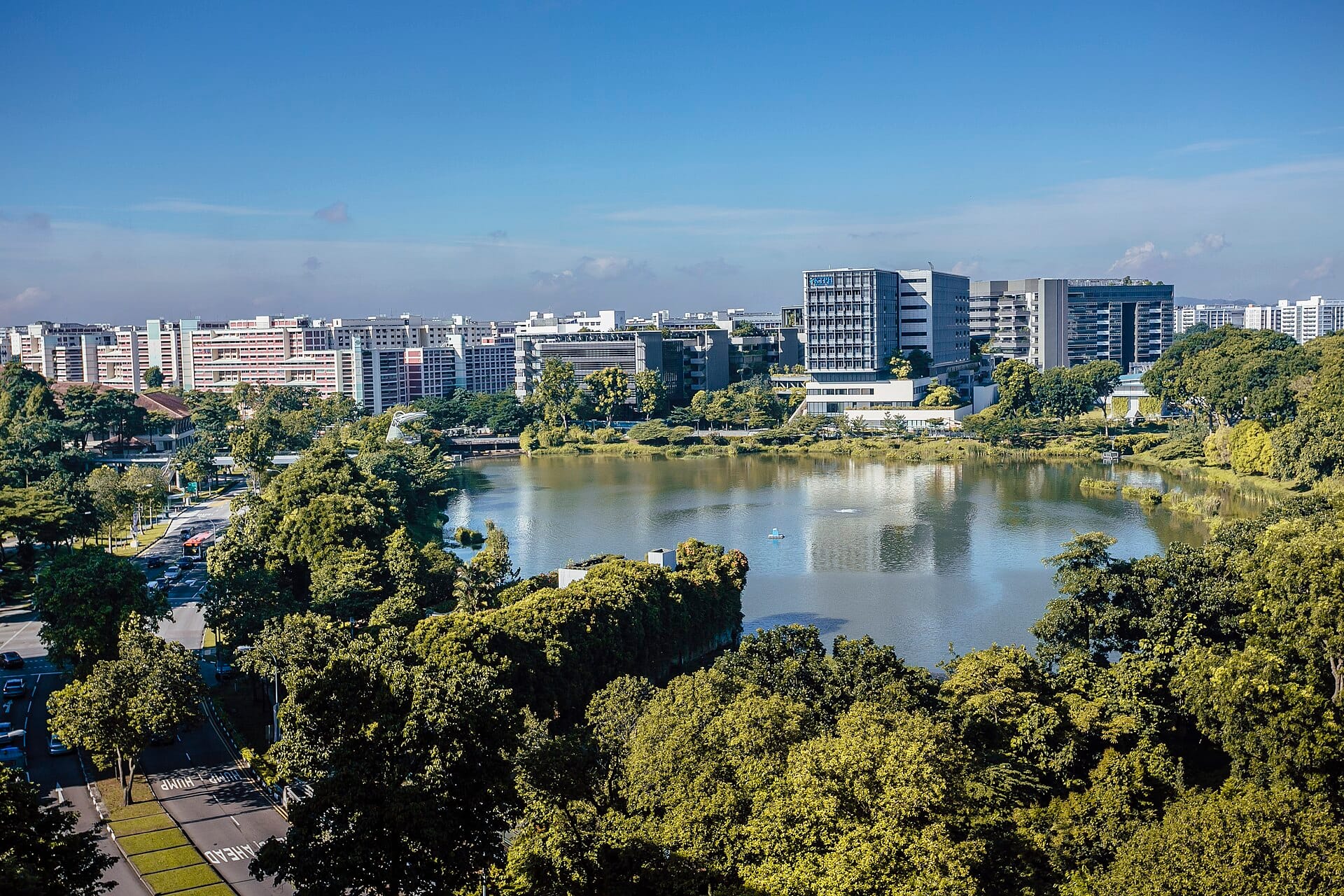
Yishun (opens in new tab) is an area in the northeast of Singapore. Prior to the colonial period, it was said to be inhabited by the indigenous nomadic boat-dwellers known as Orang Seletar – descendants of the orang laut (opens in new tab) or “sea people” who lived in boats and made a living as fishermen. The town is named after Lim Nee Soon (opens in new tab), a prominent businessman during the colonial period. The Yishun area was used to grow gambier (opens in new tab) and pepper, and later, rubber and pineapple (opens in new tab), but these crops declined in popularity as most planters shifted to Johor. The Chinese village settlements in the north (opens in new tab)--Mandai Tekong Village, Nee Soon Village, Hup Choon Kek Village, Heng Leh Pah Village, Bah Soon Pah Village and Chye Kay Village--developed to support the plantations. The development of Yishun New Town, a planned modern suburban satellite town with public housing and associated amenities, began in 1976 and the residents of the villages in the area were resettled in various areas of Singapore up until 1983. In the mid to late 2010s, Yishun began to develop a unique and sensational urban reputation for having odd and unusual happenings (opens in new tab) but in many ways it is like many other satellite towns.
Discover more about its history in this story map (opens in new tab) or by scanning the QR code below.

Notes
This story map does not show a comprehensive coverage of the buildings and landmarks of Yishun.
The base map used in this story map is the Singapore Land Authority's OneMap (opens in new tab).
This story map used related Infopedia articles and other NLB digitised resources in NL Online (opens in new tab), BiblioAsia (opens in new tab), and Roots (opens in new tab) as references. It also consulted the following sources: A pictorial history of Nee Soon Community (opens in new tab) (1987), The Development of Nee Soon Community (opens in new tab) (1987), and Yishun Sembawang: A Heritage Trail (opens in new tab) (2010).
This story map was made by Foo Shu Tieng, Grace Ho, Roslinda Rahman, and Damien Wang.
Image Credit
Photo by KTPH via Wikicommons (opens in new tab) (CC BY-SA 4.0)